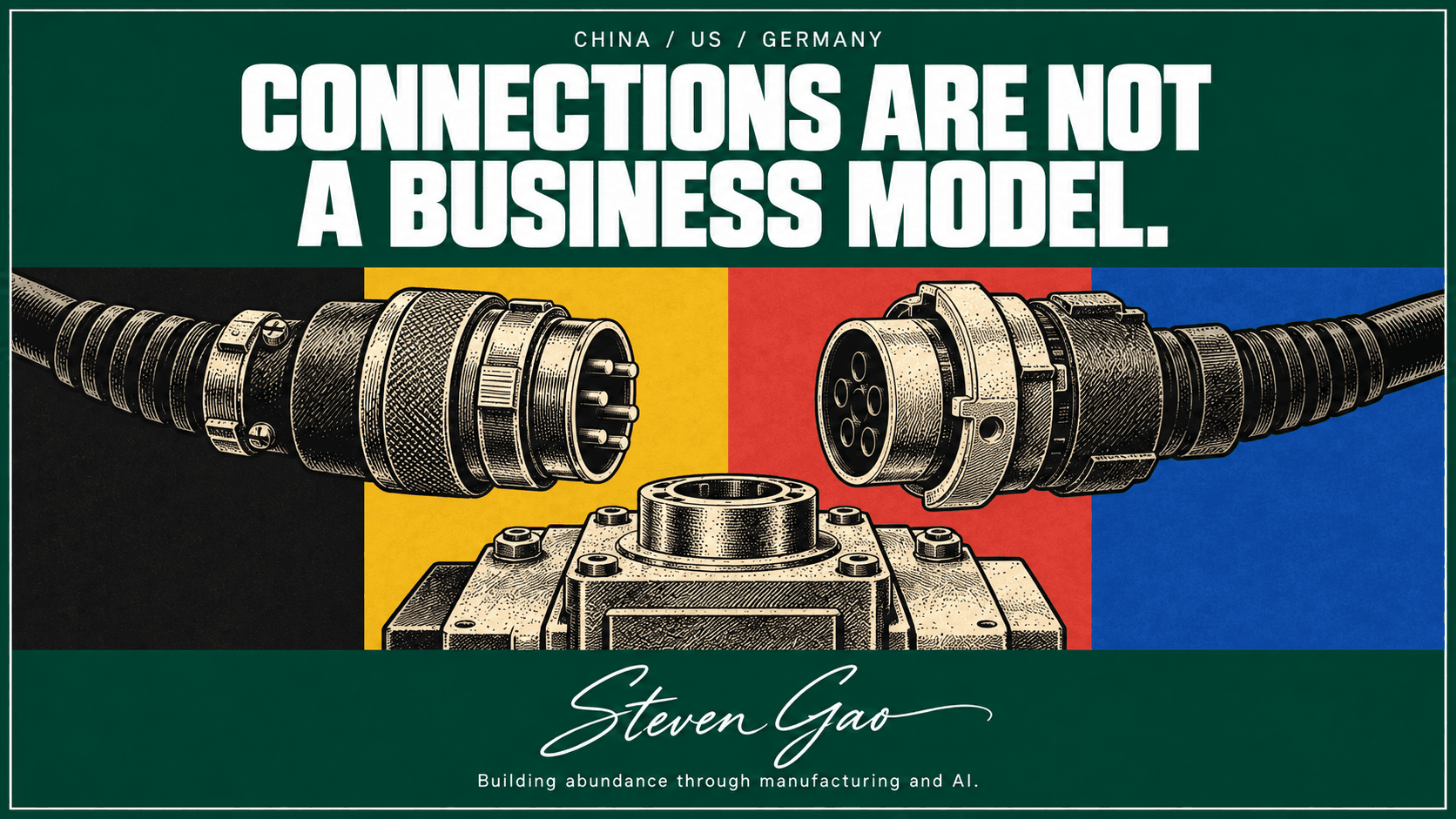
When I revisited the early industrial-internet reports, I was struck by how familiar the ambition sounded. Manufacturing companies were told they could become platform companies. Machines would connect, data would flow across the value chain and a few industrial ecosystems might achieve the power that Apple created in consumer technology.
The idea was not foolish. It correctly recognised that value would move from isolated equipment toward software, data and connected services. What it underestimated was the stubborn structure of industry.
Why the consumer-platform analogy breaks
A smartphone platform can impose a relatively consistent hardware and software contract. A factory inherits decades of machines, suppliers, control systems and local modifications. The same process name may describe different equipment and different quality logic in two plants belonging to the same company.
Industrial customers also do not hand over control easily. A platform that touches production must survive cybersecurity reviews, long asset lifecycles and clear accountability when something goes wrong. Network effects exist, but they are slower and more specialised than the consumer analogy suggested.
Industry did not reject platforms. It rejected the idea that connectivity alone creates a platform business.
What survived the first wave
The durable work has been less glamorous: interoperability, standardised asset descriptions, secure data exchange and shared models for industrial components. Germany’s Industrie 4.0 effort continues to invest in precisely these foundations. They do not look like an app-store revolution, but they make cross-company industrial intelligence possible.
The second thing that survived is the need for domain-specific applications. Customers pay for less downtime, faster engineering, better quality and lower energy use. A platform matters when it makes those outcomes easier to deliver—not when it merely collects more data.
What AI changes
Generative AI lowers the cost of interacting with fragmented industrial information. Engineers can ask questions across manuals, alarms, process histories and previous problem-solving records. Agents can coordinate tools that were designed in different eras. This makes the original platform ambition more practical, but it does not remove the need for semantics, permissions or reliable interfaces.
In other words, AI can become the interaction layer of the industrial internet. It cannot be the entire industrial internet.
My conclusion
The industrial ‘Apple dream’ was useful because it made manufacturers imagine a larger role in the digital economy. It became dangerous when the metaphor replaced the operating detail. The next generation of industrial platforms should begin with a workflow, a measurable outcome and a clear owner. Ecosystems can grow from that foundation. They cannot substitute for it.
References